
Measurements are periodic
Temperature, humidity, CO2 and soil moisture may only be checked a few times each day.
Environmental Monitoring and Equipment Automation
Connect temperature, humidity, light, CO₂ and soil-moisture sensors to YenGear IoT Cloud, then connect fans, cooling pads, pumps, curtains and grow lights by project. View each zone and configure control rules from one system.
Each zone has its own sensors, loads and operating rules. YenGear connects these points to a shared monitoring and control interface.
Use wired or wireless links, configured automation and cloud records according to the site and the crop.
Manual rounds and distributed equipment make it difficult to respond at the right time.
Temperature, humidity, CO2 and soil moisture may only be checked a few times each day.
Fans, irrigation, curtains, pumps and lights across several zones make local control time-consuming.
Cold fronts, storms and humidity changes can occur between manual inspections.
Without consistent history, teams must rely on memory when comparing growing cycles.
I/O modules collect temperature, humidity, light, CO2 and soil moisture readings across greenhouse zones.
Configured cloud rules can trigger fans, vents, shade curtains, irrigation pumps, grow lights and heaters. Operators can review status, records and alerts from a phone or desktop.
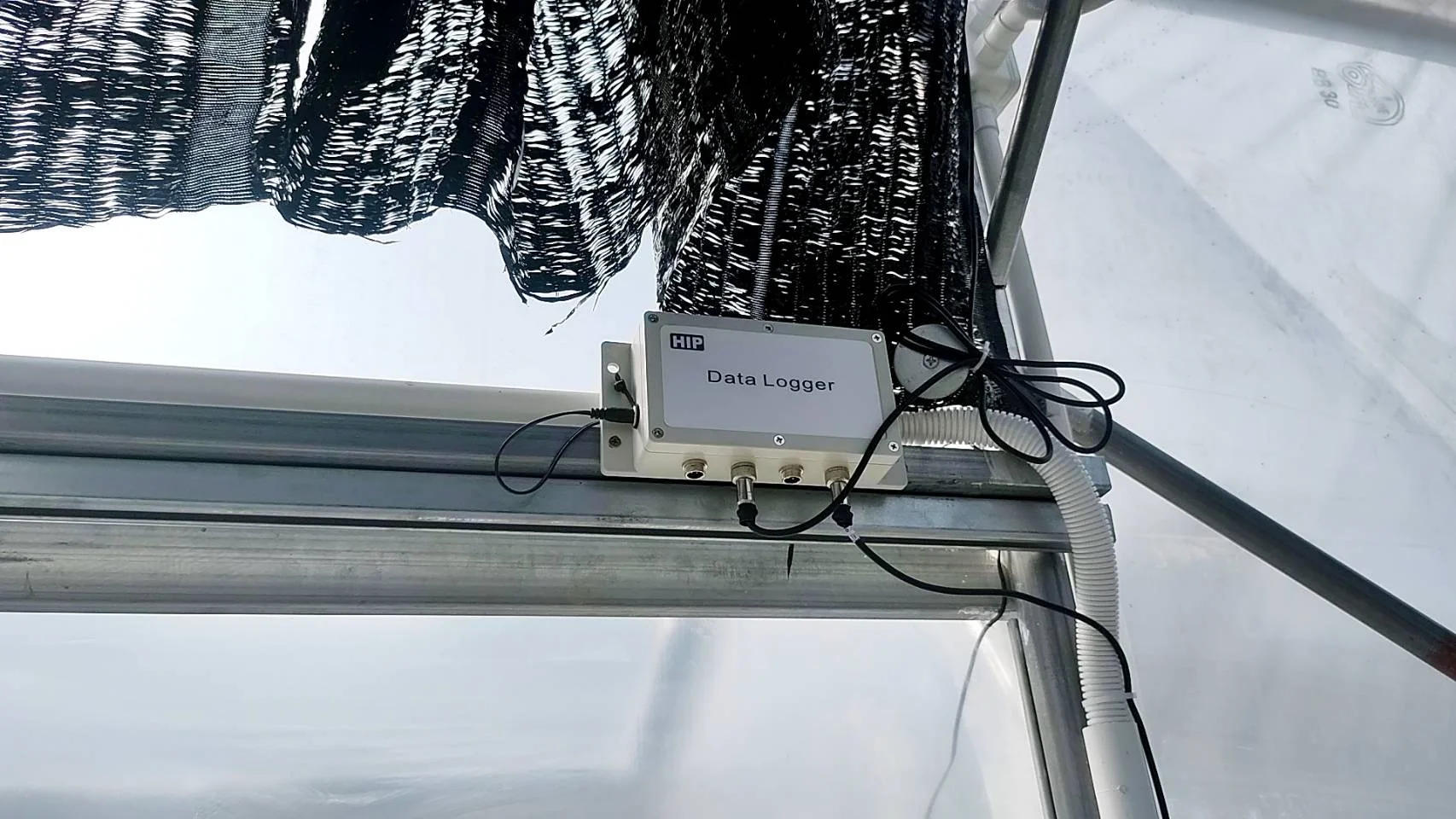
Set up zones, define rules and review the operating record.
I/O modules collect temperature, humidity, light, CO2 and soil moisture readings.
Readings reach YenGear IoT Cloud over WiFi or wired Ethernet, where rules trigger equipment or alerts.
Use current status, event history and exports to compare growing cycles and adjust the operating plan.
Monitor conditions, control equipment, notify staff and review records in one operating view.
Track temperature, humidity, light, CO2 and soil moisture on the dashboard.
Run rules such as temperature-triggered fans, dry-soil irrigation, shade curtains, or grow lights.
Open vents, start irrigation or switch grouped equipment from one phone screen.
Send app, SMS, or email notifications with the greenhouse, zone, reading, and alert level.
Store readings, equipment actions, and alerts for reports by day, week, month, or growing cycle.
Use WiFi, wired Ethernet or optional 4G backhaul according to the site.
Rules and equipment vary by crop, site and growth stage.
Ventilation, fan, drip irrigation, and CO2 rules for tomatoes, cucumbers, and peppers.
Light, shade, supplemental lighting, temperature, and humidity control for roses and lilies.
Tighter temperature, misting, humidity, and gradual light ramping for nursery work.
CO2, humidity, fresh-air intake, fogging, and strict temperature-band alerting.
The system combines zone data, equipment control and records for day-to-day greenhouse work.
| Generic IoT platform | YenGear smart greenhouse solution |
|---|---|
| Sensors, protocols, dashboards, and logic often require IT configuration. | Mount modules, connect zones, name equipment, and use growing rules your team understands. |
| Automation builders are written for industrial engineers. | Rules read like greenhouse practice: if temperature is high, open vents and start fans. |
| Multi-greenhouse management may require separate dashboards or enterprise tiers. | Greenhouses, crop groups, zones, alerts, and group control share one operating view. |
| Reports often start as raw data exports. | Environmental records are organized for growing-cycle review and audit preparation. |
A representative configuration for a vegetable operation.
The operation: 50 greenhouses across 8 hectares, growing tomatoes, cucumbers, and peppers for regional supermarket chains.
The challenge: Morning rounds took three workers more than four hours, winter night drops caused annual cold-stress losses, and group equipment changes required long walks.
The deployment: I/O modules across multiple greenhouse zones, with temperature and humidity sensors, soil moisture probes, light sensors, mixed WiFi and wired networking, and staff training.
Key parameters for a greenhouse control deployment.
| Parameter | Specification |
|---|---|
| Connectivity | WiFi 2.4 GHz b/g/n + Wired Ethernet 10/100 Mbps; optional 4G LTE backhaul. |
| Sensor types | Temperature, humidity, light, CO2, and soil moisture selected for the crop and site requirements. |
| I/O module | Industrial grade, IP65 rated, powered by 24V DC or 220V AC. |
| Control outputs | Relay outputs for fans, vents, pumps, curtains, lights, and heaters, up to 8 channels per module. |
| Alert channels | App push, SMS, email, and optional on-site audible alarm. |
| Cloud platform | YenGear IoT Cloud, SaaS or on-premise private deployment. |
| Data exports | CSV, Excel, and PDF reports by day, week, month, or growing cycle. |
Y201 and Y301 modules connect sensor inputs and relay-controlled equipment to the greenhouse control system.
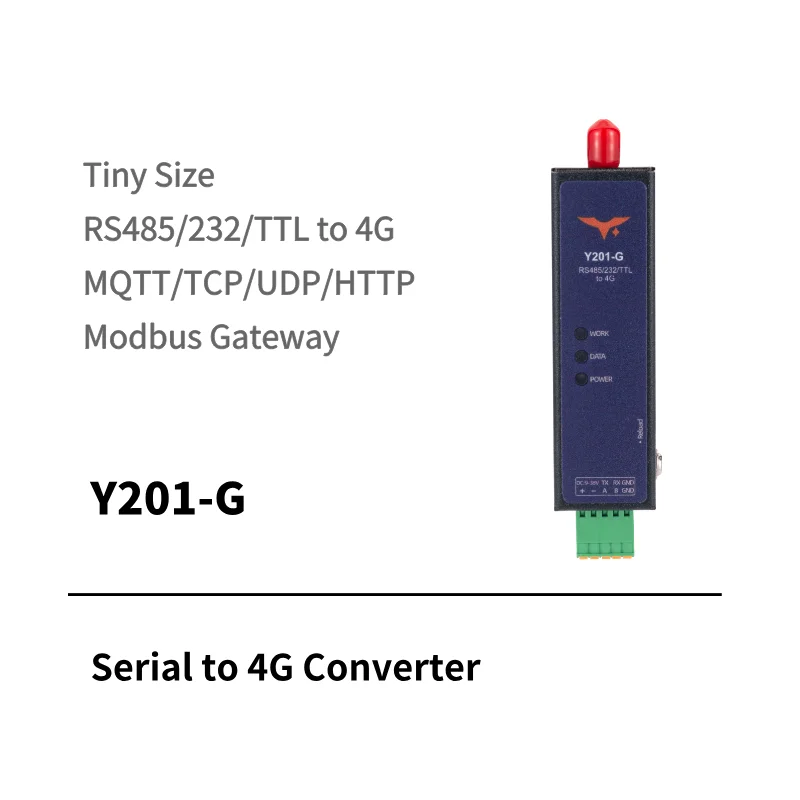
Y201-G
Bridges serial devices to cellular networks and supports nationwide 4G connectivity, wide-range power input, and four transparent Socket channels.
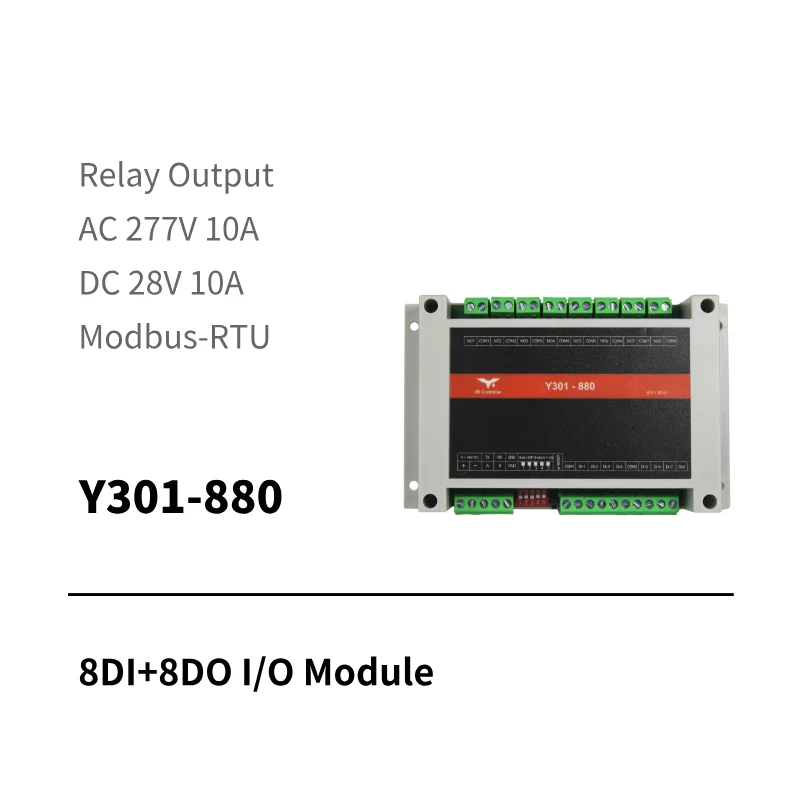
Y301-880
8DI + 8DO for zones with more switch inputs and relay-controlled loads such as pumps, fans, curtains, or lights.
Answers about installation, networks, rules, outages, records, scale and project scope.
Installation depends on greenhouse count, zones, sensors, existing networks and access conditions. We confirm the schedule after a site review.
The site can be assessed for wired Ethernet, industrial WiFi access points or cellular backhaul. The choice depends on zone distance, power, network coverage and installation conditions.
Users can change the rules permitted by their role. The available conditions, actions, approvals and pre-configured templates depend on the deployment and should be confirmed during setup.
Local measurement, buffering and pre-configured automation can continue when the selected controller and project configuration support them. Cloud commands and records synchronize only after the connection returns.
Environmental history can be exported for a selected date range and used as input to audit preparation. Whether the data and format satisfy a particular scheme or buyer requirement must be confirmed with the responsible auditor or customer.
The platform can organize greenhouses, zones, crop groups, rules, team access and group controls. Confirm the supported scale and deployment model for your project.
Pricing depends on greenhouse count, zones, sensors, control points, network and integration requirements. Scope, options, lead time and quotation terms are confirmed after the project information is reviewed.
Greenhouse control assessment
Tell us your greenhouse count, crops, zones and equipment.