
Uneven watering between zones
Without zone-level status, one area may continue watering while another receives too little water.
Wireless Control for Zone Pumps and Valves
Connect pumps, zone valves and field sensors, view irrigation status centrally, and control equipment by schedule or field conditions. The control method depends on valve type, node power, wireless coverage and offline requirements.
Without zone-level status, one area may continue watering while another receives too little water.
Distributed valves require staff to travel between control points for each irrigation cycle.
Widely separated valves make it harder to confirm that each point was opened and closed as planned.
Visual checks do not provide a consistent soil-moisture measurement for each zone.
Irrigation schedules may need adjustment when temperature, rainfall or soil conditions change.
One farm-wide Y201-G 4G DTU uploads RS485 soil moisture data and delivers commands to Y403-11-L LoRa I/O nodes.
Control chain: soil moisture sensor via RS485 to Y201-G -> configured platform rule or operator command -> Y201-G command delivery -> Y403-11-L I/O control -> solenoid valve.
Field design: Y403-11-L is a pure 1DI/1DO LoRa I/O sync module. Y201-G is the 4G cellular RS485/RS232 DTU cloud bridge.
The topology keeps internet connectivity centralized in the Y201-G while each Y403-11-L handles local valve actuation over LoRa.
Available functions include schedules, sensor thresholds, remote grouping, alarms and solar-powered field nodes.
Run fixed plans such as Monday, Wednesday, and Friday at 06:00 for 40 minutes.
Start when moisture drops below the threshold and stop when the target is reached.
Start or stop the whole farm, or selected zones, from the mobile app.
Abnormal flow can trigger valve closure and an app alert for burst pipes or blockage.
Low-power nodes can run from solar panel and battery packs where grid power is unavailable.
IrriSmart uses a central 4G gateway and distributed LoRa I/O nodes to reduce field wiring across large sites.
A Y201-G acts as the cloud bridge, so Y403-11-L nodes do not need individual internet connections.
Scheduled plans can be combined with moisture thresholds so irrigation responds to measured soil status.
Group control lets one operator manage scattered pumps and valves from the mobile interface.
LoRa I/O nodes reduce field wiring, while low-power configurations can support solar-powered sites.
Irrigation settings and equipment vary by crop, soil conditions and water-delivery method.
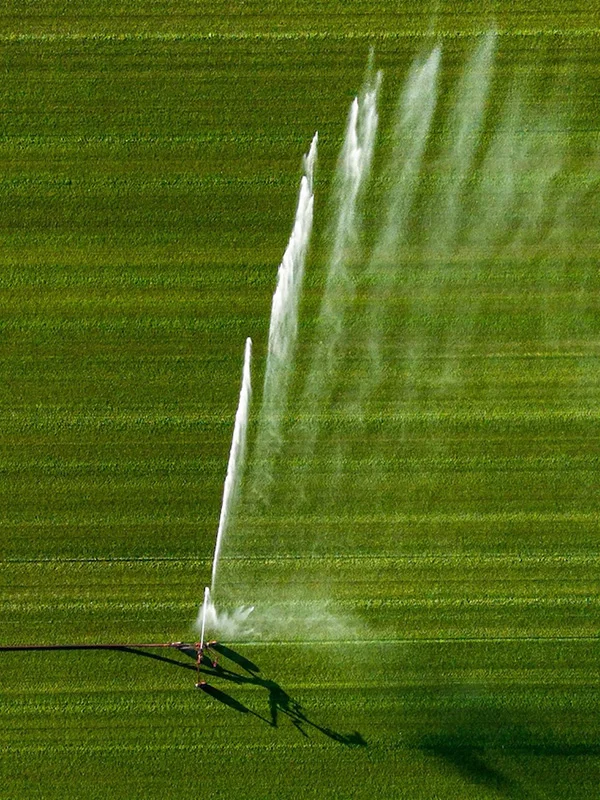
Scheduled irrigation replaces manual water trucks across large turf areas.

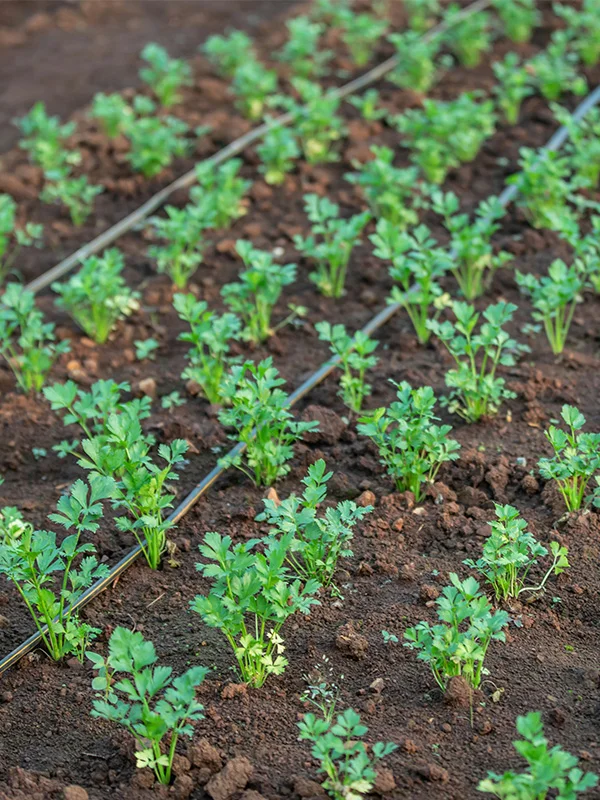
High-frequency, low-volume watering with narrow humidity thresholds.
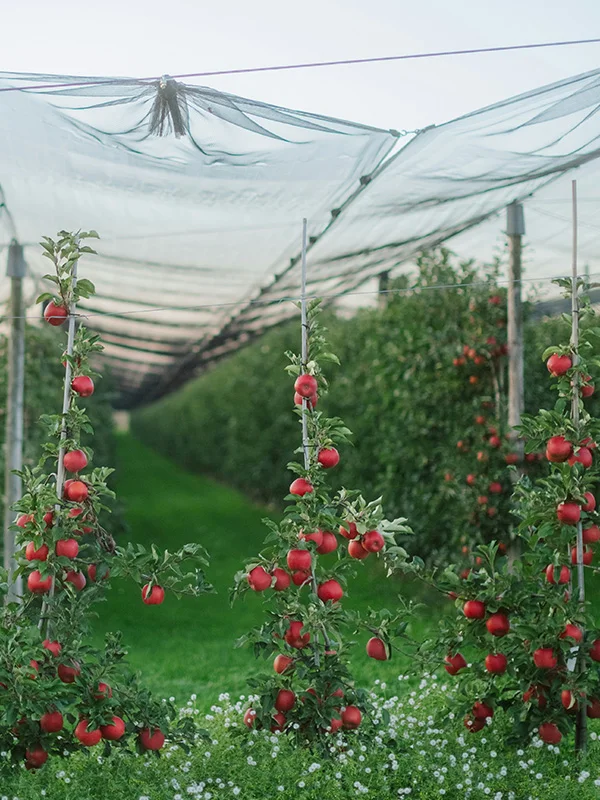
Deep soil moisture monitoring connected to drip or micro-spray irrigation.
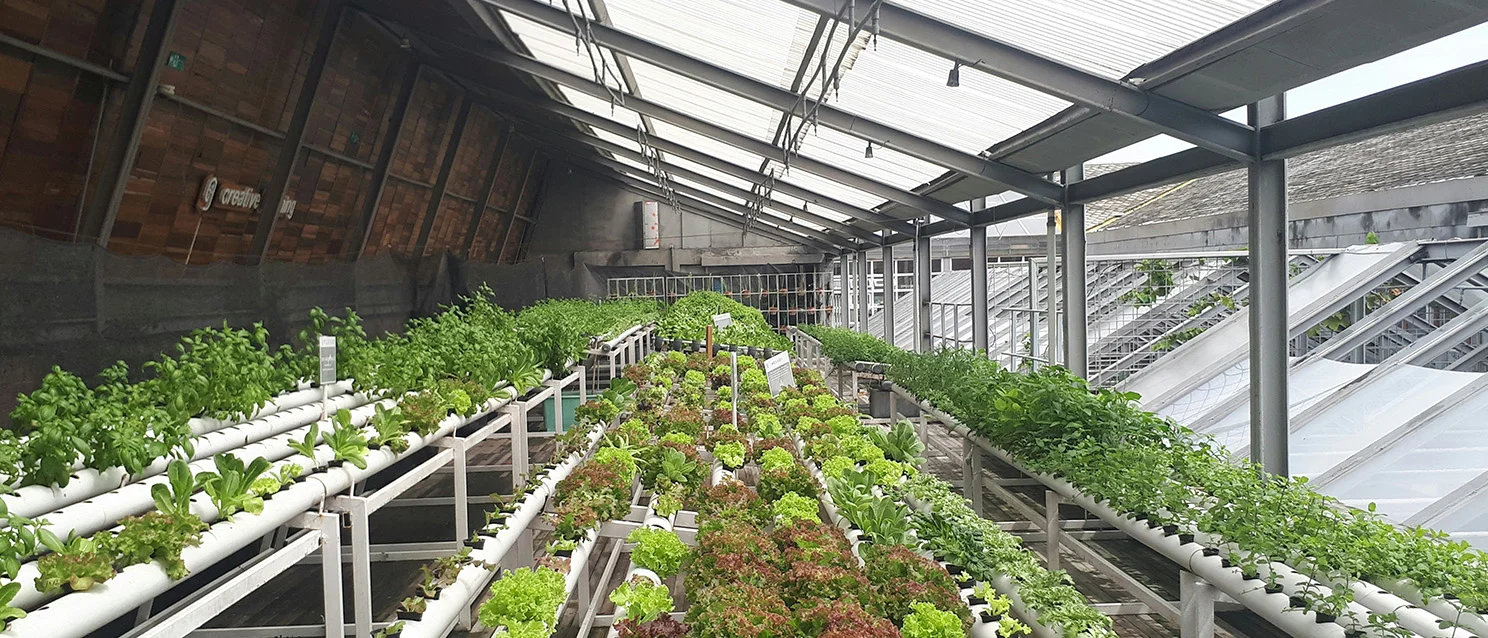
Moisture-triggered irrigation with logs for repeatable production records.
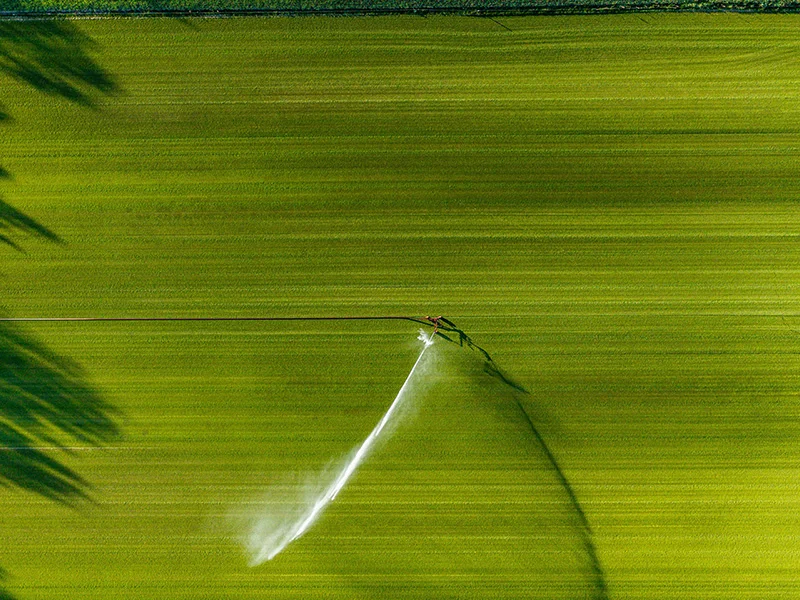
Remote automated irrigation for maintained landscapes without manual rounds.
These products map the field devices, network links, and control points used in an irrigation deployment.
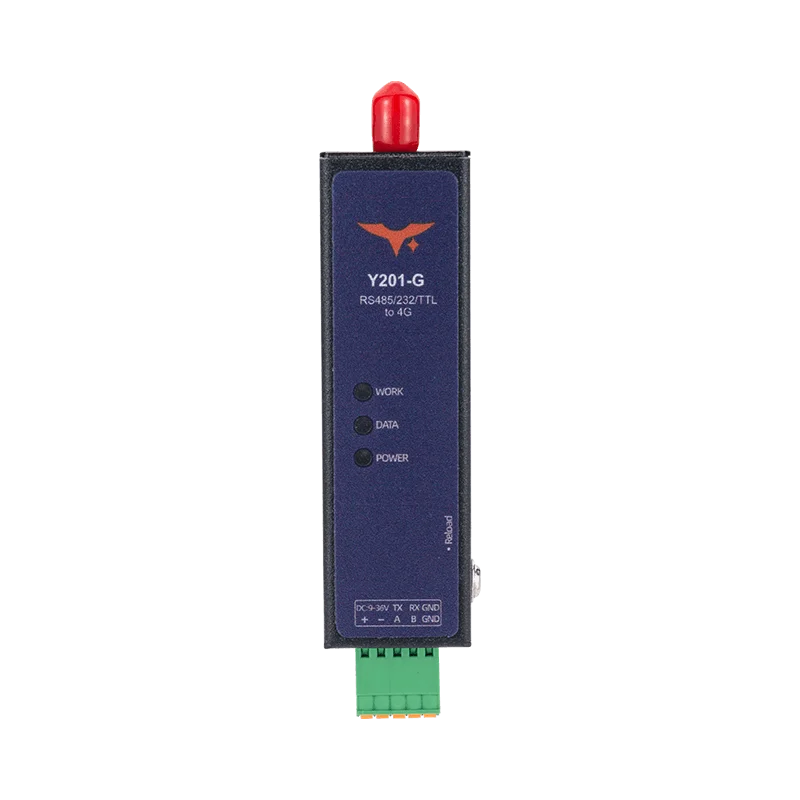
Y201-G Mini DTU
4G cellular DTU with RS485/RS232. In IrriSmart, it is the farm-wide cloud bridge for sensor upload and command delivery.
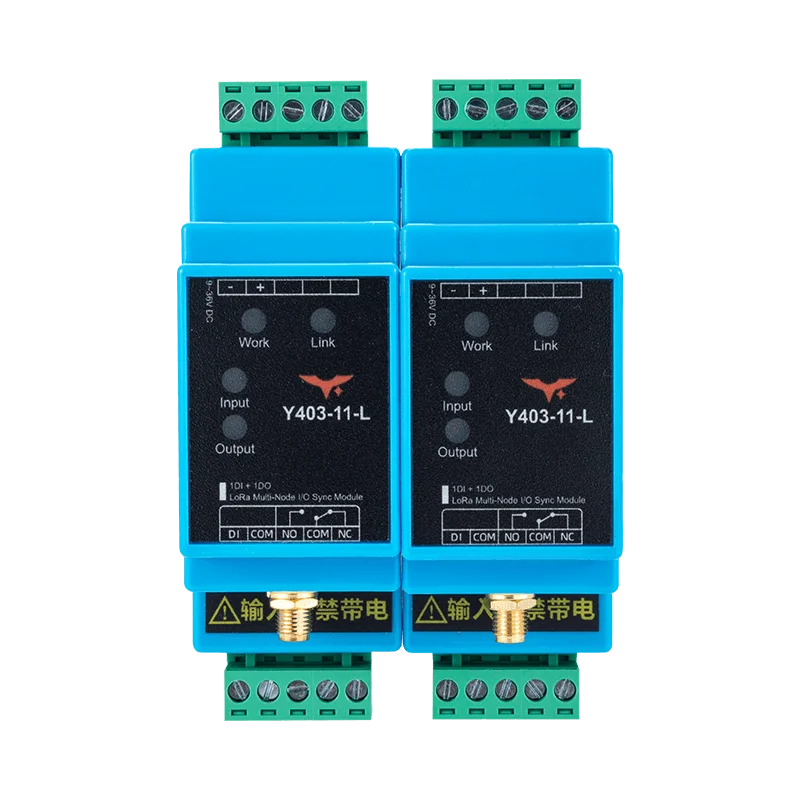
Y403-11-L
Mesh network 1DI/1DO LoRa I/O node. In IrriSmart, its DO channel actuates the zone valve while Y201-G handles cloud connectivity.
A county-level demonstration zone used wireless I/O nodes for zone-level valve control.
Deployment: Y403-11-L I/O nodes controlled solenoid valves in each irrigation zone. Soil moisture sensors connected by RS485 to a Y201-G 4G DTU, which served as the farm-wide cloud bridge. Off-grid areas used solar power.
Soil-moisture thresholds and group commands provided a consistent basis for irrigation and reduced manual valve rounds.
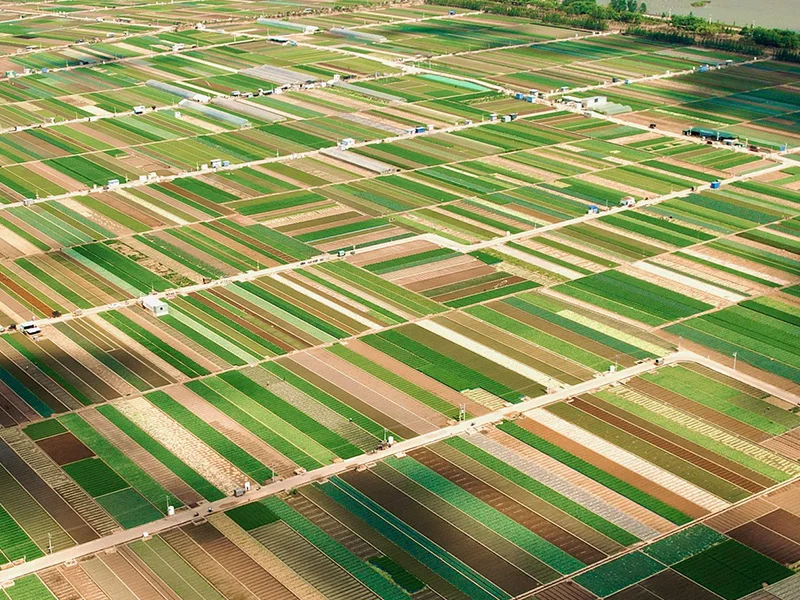
Practical answers for farm owners and agricultural project teams.
The Y201-G provides the cellular cloud bridge. The final number and placement of Y403-11-L nodes depend on the farm layout, LoRa path, valve groups and site conditions.
Position and depth depend on crop root zone, soil profile, irrigation method, sensor model and the monitoring objective. Confirm the placement with the agronomy or project plan instead of applying one depth to every field.
Solar and battery power can be evaluated where mains power is unavailable. Autonomy depends on node duty cycle, valve or contactor load, weather, battery capacity and maintenance, so the power design must be confirmed per site.
Y403-11-L is a LoRa wireless I/O sync module and is not the Internet bridge. The field I/O, gateway and uplink roles must be separated when planning the network; the exact channels depend on the selected model.
It can be evaluated when the valve or pump control voltage, current, switching mode, feedback and protection are compatible. A contactor or additional protection may be required; existing pipework does not remove the need for an electrical review.
Installation depends on the pipework, valve groups, power and network plan. We confirm the commissioning schedule after reviewing the site.
Irrigation control assessment
Tell us about your soil, valves and field conditions.