
Monitoring blind spots
Fugitive emissions from unorganized sources may go undetected, leaving incomplete monitoring records.
Centralized Management of Environmental Data, Alerts and Reports
Collect environmental data through LoRaWAN / 4G sensors, gateways and edge buffering. View monitoring points, configure alerts and export reports in the cloud. Parameters and points are defined by emission sources, park coverage and management requirements.
Large sites need continuous coverage, stable data transmission and a consistent reporting workflow.
Fugitive emissions from unorganized sources may go undetected, leaving incomplete monitoring records.
Crews with handheld detectors require time and labor, and coverage becomes harder as the park expands.
Weak-signal zones can interrupt data collection, while separate vendor platforms make records harder to review and export together.
If readings are reviewed only during scheduled checks, operators may not see an abnormal condition soon enough to investigate it promptly.
YenGear IoT Cloud can receive data from fixed monitoring stations, fugitive-emission sensors and compatible mobile inspection devices. The platform provides dashboards, buffered-data backfill, configurable alerts and report export.
After a site survey, the deployment plan covers sensor placement, gateway setup, platform configuration and staff training.
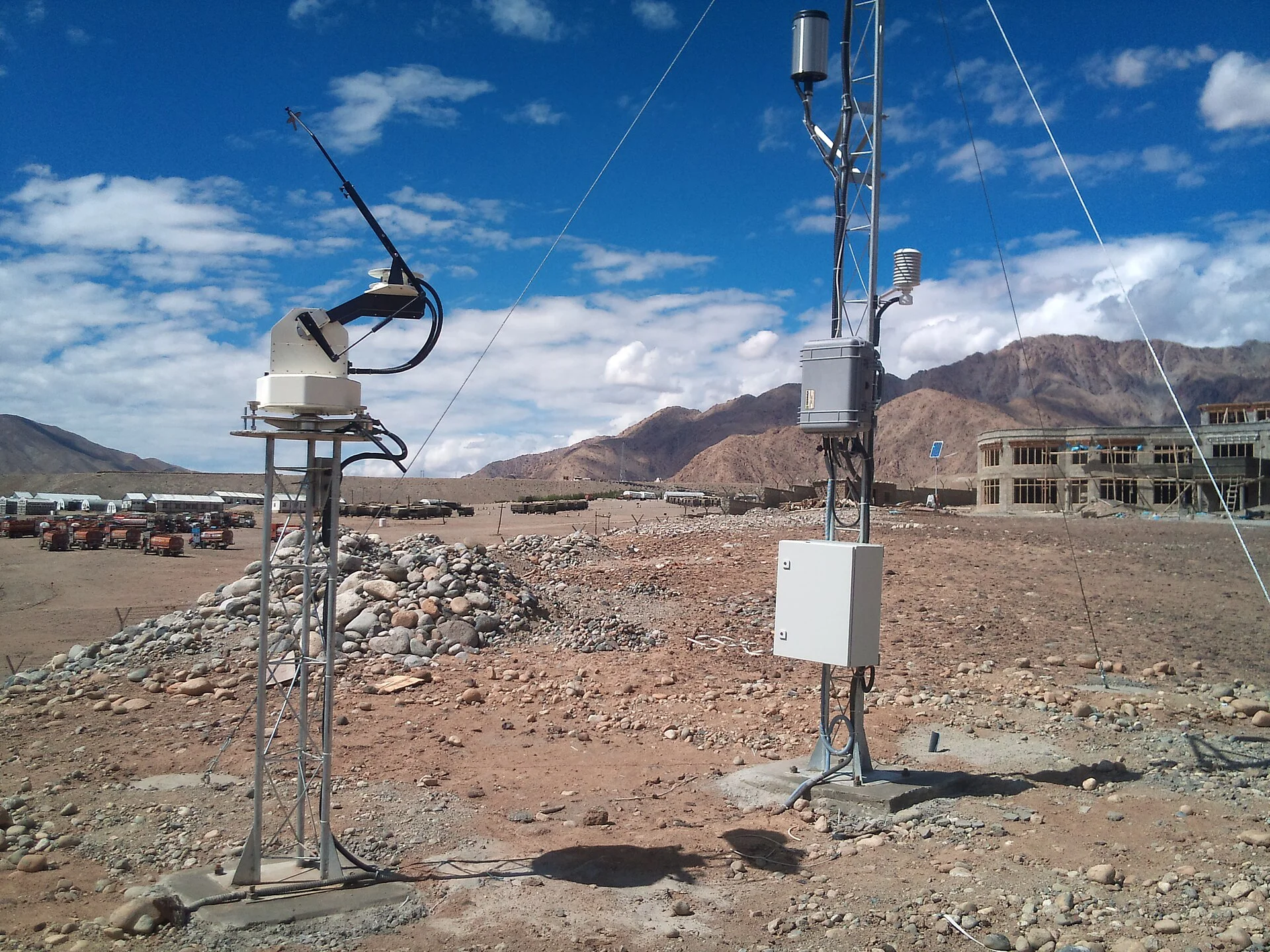
Map emission sources, install configured LoRaWAN or 4G sensors at selected points, and set up the gateways. Wireless links reduce trenching and control-cable work.
Sensor readings flow through encrypted channels to YenGear IoT Cloud. Edge buffering can store readings during a network interruption and backfill them when the connection returns.
The platform evaluates incoming data against configurable thresholds and multi-condition rules. Supported notification channels and response timing are confirmed for each deployment.
The platform combines distributed readings, alert rules, history and report export in one operating interface.
M2.5, PM10, VOCs, H2S, NH3, SO2, NOx, noise, and meteorological data can stream from distributed monitoring points.
Gateway-side caching and backfill over LoRaWAN or 4G help preserve readings when connectivity is unstable.
Threshold triggers, compound-condition rules, and multi-channel notifications can be adapted to each monitoring zone.
LoRaWAN, MQTT, Modbus, TCP/IP, and HTTP integration can connect YenGear devices and selected existing sensors.
4G, WiFi, Ethernet, cloud-hosted, private cloud, and on-premise options can be selected by project needs.
Environmental ledgers, event records, and exports can be generated in PDF, Excel, CSV, or API-ready formats.
Wireless links can reduce civil work and make monitoring points easier to add or relocate.
| Wired Monitoring | Wireless YenGear IoT Cloud |
|---|---|
| Trenching, cabling, and power runs create weeks of civil work. | Sensors deploy faster. Mount, power on, and connect through LoRaWAN/4G. |
| Fixed infrastructure makes every monitoring-point move expensive. | Redeploy sensors as emission sources, tenants, or park boundaries change. |
| Local loggers and separate platforms fragment the operating picture. | All readings stream to one dashboard with alerts, exports, and APIs. |
| A cabinet or cable issue may affect an entire monitoring segment. | Distributed wireless coverage helps isolate failures and simplify expansion. |
A representative 12 km² industrial park deployment with distributed monitoring points and one operating view.
The park: A representative mixed-use industrial park spanning 12 km2 with chemical processing, metal fabrication, and logistics zones.
The challenge: Five monitoring blind spots, seasonal storm-related data losses, and three reporting platforms with no unified view.
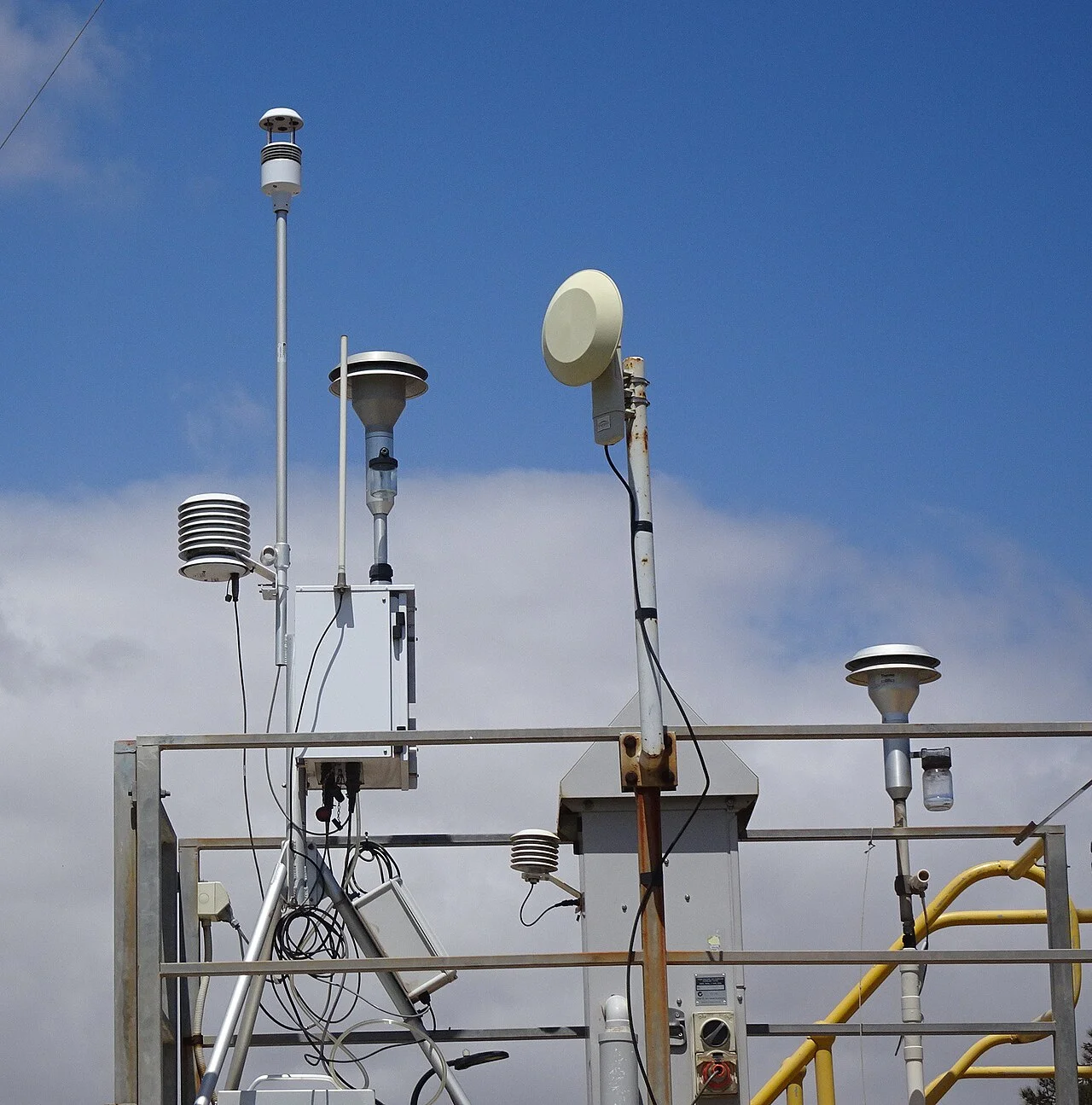
The deployment: distributed LoRaWAN monitoring nodes, gateways, fixed stations, fugitive-emission sensors and mobile response equipment selected for the site.
Timing depends on site area, sensor count, existing infrastructure and reporting requirements. We confirm the schedule after the site survey.
Not necessarily. Existing sensors can be assessed by their interface, protocol, register map, power and data quality. TCP, MQTT, Modbus or HTTP support does not by itself guarantee compatibility; confirm the device during the site survey.
Compatible gateways can buffer readings during a network interruption and backfill the stored data when connectivity returns. Storage capacity and behavior depend on the selected equipment.
The platform can export configured records and reports. Direct submission, formats and regulatory templates depend on the target system and require project confirmation.
Operators can combine thresholds, duration requirements and multiple conditions so that a brief reading spike does not automatically create an alert.
Pricing depends on the number of sensor nodes, monitoring parameters, integrations and the cloud or on-premise deployment model. YenGear provides a defined project quotation.
Gateways and cloud tools are selected for the site’s sensors, network and reporting requirements.
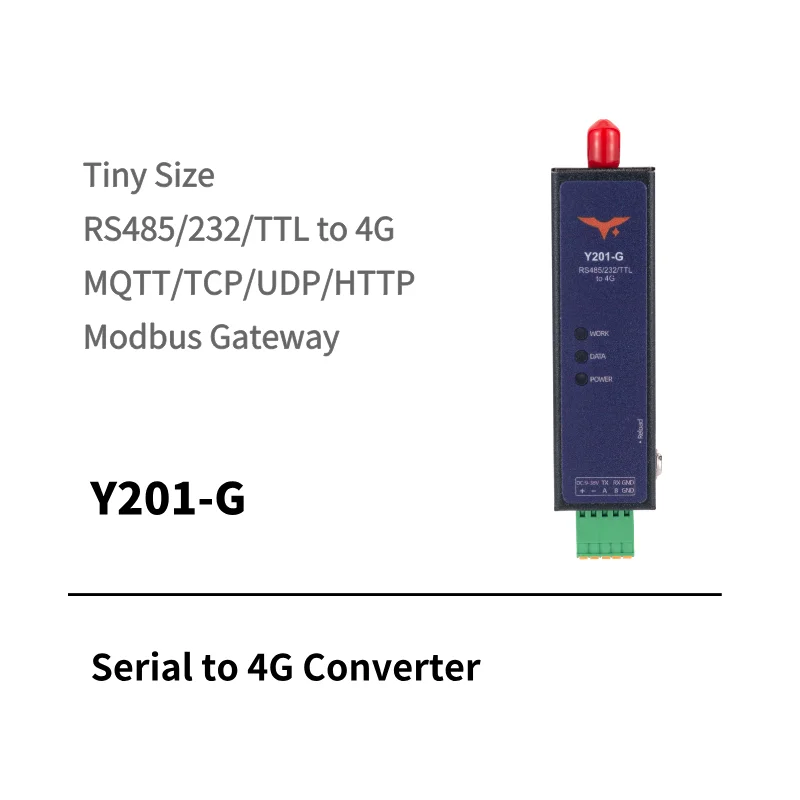
Y201-G
Reliable cellular backhaul for distributed environmental sensors.
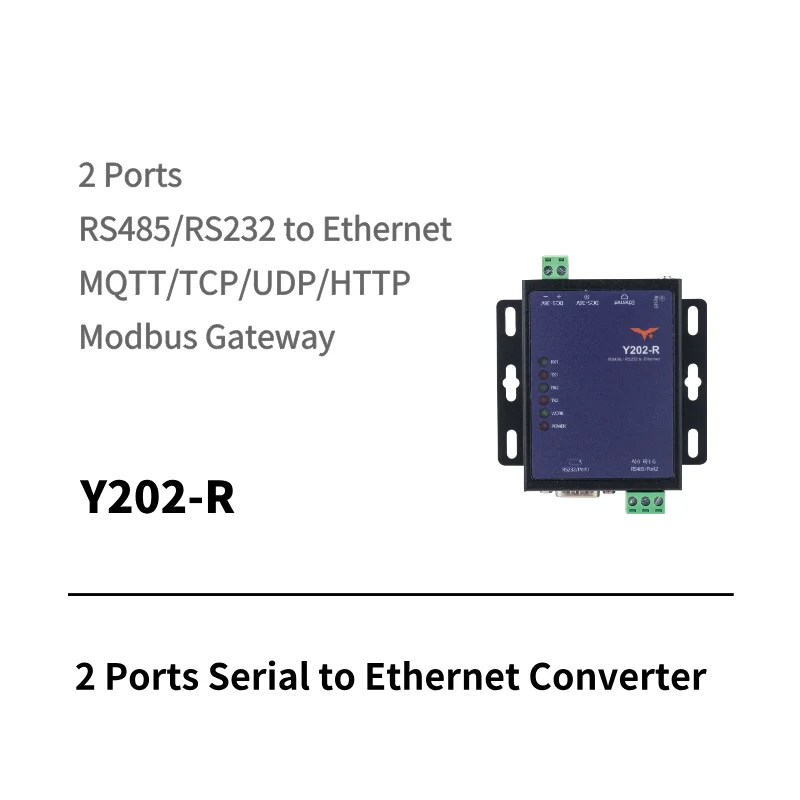
Y202-R
Wired serial-to-IP connectivity for monitoring cabinets and existing instruments.
IoT Cloud
One dashboard for readings, alerts, history, exports, and compliance workflows.
Environmental monitoring assessment
Tell us your monitoring points and reporting needs.